Archives
- 2025-12
- 2025-11
- 2025-10
- 2025-09
- 2025-03
- 2025-02
- 2025-01
- 2024-12
- 2024-11
- 2024-10
- 2024-09
- 2024-08
- 2024-07
- 2024-06
- 2024-05
- 2024-04
- 2024-03
- 2024-02
- 2024-01
- 2023-12
- 2023-11
- 2023-10
- 2023-09
- 2023-08
- 2023-07
- 2023-06
- 2023-05
- 2023-04
- 2023-03
- 2023-02
- 2023-01
- 2022-12
- 2022-11
- 2022-10
- 2022-09
- 2022-08
- 2022-07
- 2022-06
- 2022-05
- 2022-04
- 2022-03
- 2022-02
- 2022-01
- 2021-12
- 2021-11
- 2021-10
- 2021-09
- 2021-08
- 2021-07
- 2021-06
- 2021-05
- 2021-04
- 2021-03
- 2021-02
- 2021-01
- 2020-12
- 2020-11
- 2020-10
- 2020-09
- 2020-08
- 2020-07
- 2020-06
- 2020-05
- 2020-04
- 2020-03
- 2020-02
- 2020-01
- 2019-12
- 2019-11
- 2019-10
- 2019-09
- 2019-08
- 2019-07
- 2019-06
- 2019-05
- 2019-04
- 2018-11
- 2018-10
- 2018-07
-
dna repair pathways Judging from the densitometric analysis
2020-07-02
Judging from the densitometric analysis of the Western blots, CYP2E1 protein was expressed, although at very low levels, by PT cells. This corresponds to previous observations [10], showing that CYP2E1 was expressed in the PT, although expression was higher in the distal tubule. Testosterone 6β-hyd
-
A study profiling chemokine expression
2020-07-02
A study profiling chemokine expression in LCLs revealed high expression levels of CCR6, CCR7, and CCR10 and low expression of CXCR4 and CXCR5 in EBV immortalized cells. Accordingly, LCLs showed a markedly increase in migration in response to the ligands of CCR6 (CCL20), CC7 (CCL21), and CCR10 (CCL28
-
br Introduction The ubiquitination status of
2020-07-02
Introduction The ubiquitination status of a target protein is achieved via a delicate balance between two opposing forces: ubiquitin E3 ligases and DUBs. It has been postulated that the majority of proteins in a cell are regulated and modified by ubiquitin at some point (Hershko and Ciechanover,
-
Sequence alignment of cfALDH with the human ALDH indicates
2020-07-02
Sequence alignment of cfALDH with the human ALDH1 indicates that the cyanobacterial protein contains the same GQCC motif as the human ALDH1 and ALDH2 proteins [24] (Fig. 1d, highlighted in red, and Supplementary Fig. 2). This motif is present in ALDH1/2 orthologues and these residues reside at the b
-
br DDR in atherosclerosis and
2020-07-02
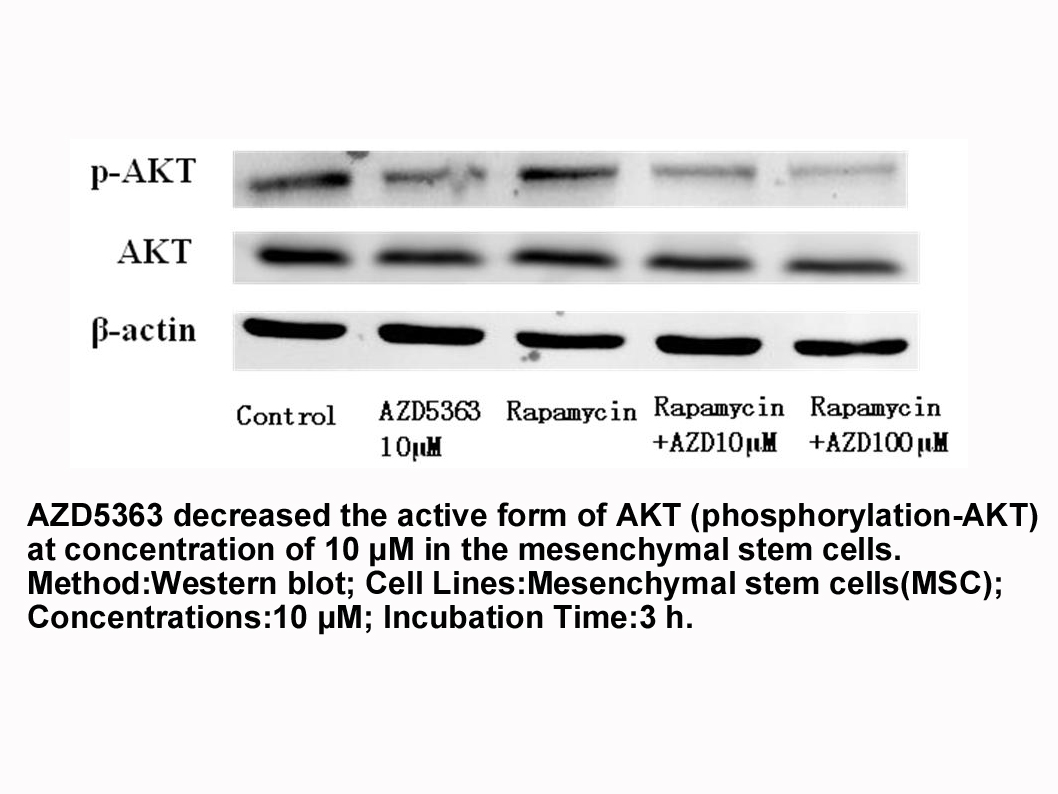
DDR1 in atherosclerosis and vascular disease The Canadian group of Bendeck, explored the role of DDR1 in repair following arterial injury in rats [30]. DDR1 protein levels, assessed via Western blots prepared from arterial extracts taken at various times after injury, showed DDR1 protein dramatic
-
az628 The field of synthetic cytokine biology continues to
2020-07-02
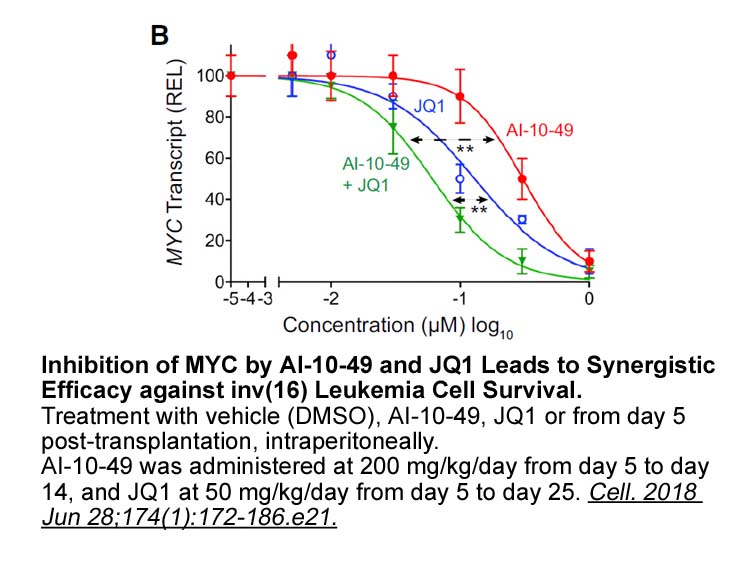
The field of synthetic cytokine biology continues to grow through molecular, physiological and pathophysiological insights, as well as via new methodical advances. The approval of chimeric antigen receptor (CAR) T cell immunotherapy by the US Food and Drug administration (FDA) in August 2017 for rel
-
As previously stated the most unexpected
2020-07-02

As previously stated, the most unexpected finding from this series of compounds was the identification of a dimethyl isoxazole side chain that gave dramatically improved binding over the parent compounds. Holding this piece of the molecule constant, a series of analogs were made to further understan
-
Flexible alignment of isopropylphenylaminobenzimidazole with
2020-07-02
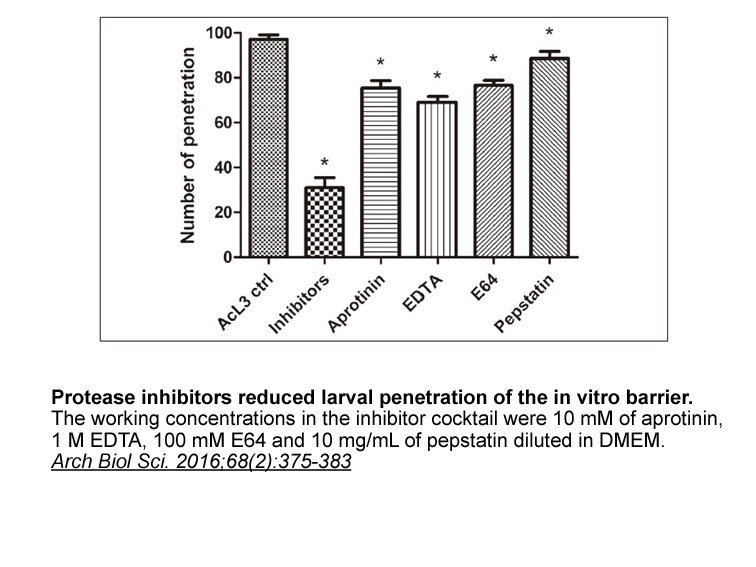
Flexible alignment of 7-isopropylphenylaminobenzimidazole 16 with the lead Methoxyresorufin australia 1 was performed using MOE. It was found that the aryl group of compound 16, exemplified as a yellow circle in Figure 2, overlapped well with the corresponding alkyl chain of compound 1 as well as t
-
In the original ELF study patients were considered
2020-07-02

In the original ELF study [7], patients were considered eligible if they were due to undergo liver biopsy for the investigation of chronic liver disease, defined as abnormal biochemical liver function tests persisting for more than 6 months, ability to provide informed consent and age between 18 and
-
br Conclusion br Acknowledgments br Introduction Arsenic
2020-07-01
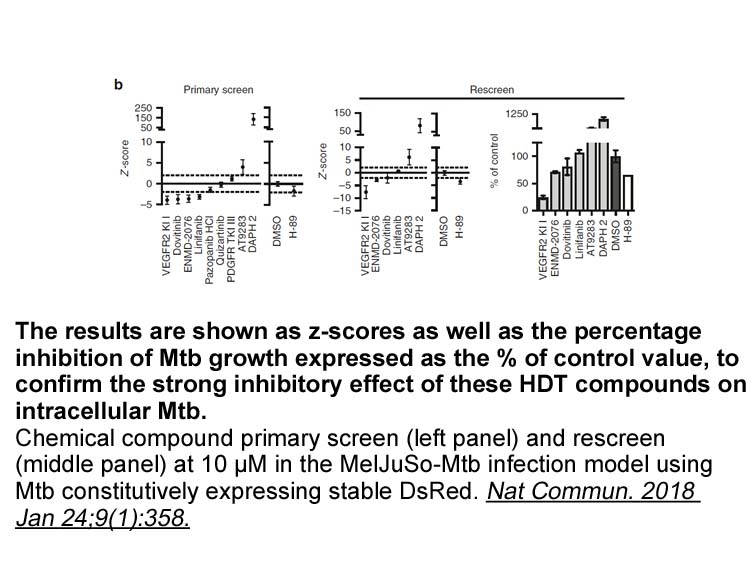
Conclusion Acknowledgments Introduction Arsenic (As) is one of the most toxic metals derived from the natural environment in soil, air and well water. It has two oxidative states: a trivalent form, arsenite, and a pentavalent form, arsenate. The inorganic As is more toxic than organic As. A
-
In vivo study showed that the CYP A activity was
2020-07-01
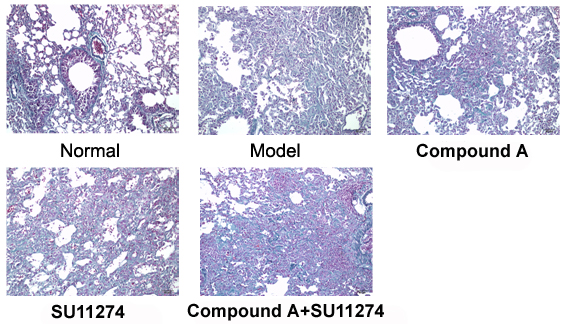
In vivo study showed that the CYP3A activity was increased, when morroniside (10, 30 and 90 mg/kg, i.g.) was daily for seven consecutive days. Further, RT-PCR analysis showed that the induction of mRNA apexbt chemical by morroniside (10, 30 and 90 mg/kg, i.g.) was 1.13-, 1.43- and 1.79-fold higher,
-
Investigations of mice lacking up to three CDKs identified
2020-07-01
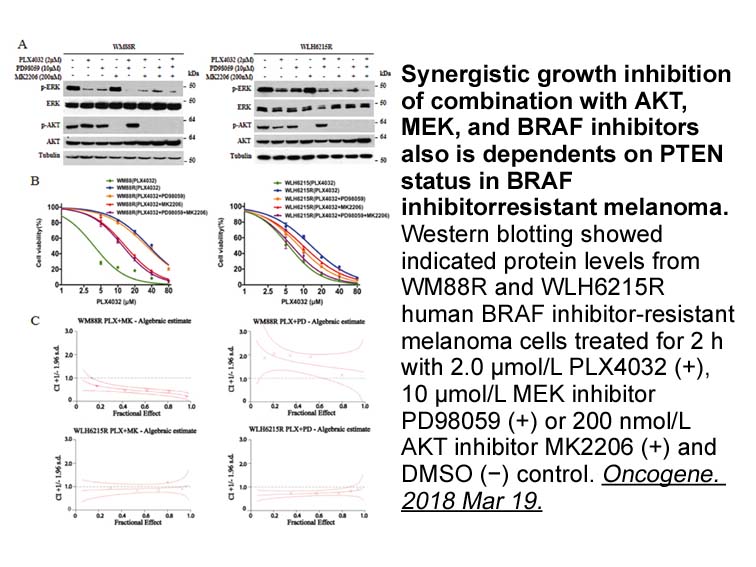
Investigations of mice lacking up to three CDKs identified the mitosis-regulating kinase CDK1 as the main essential component for the cell cycle, whereas ablation of other hydroxypropyl beta cyclodextrin regulators such as CDK2, CDK4, or CDK6 did not result in defective proliferation 12, 13. Mouse
-
Conventional configurations for alkanolamine and acid gas ar
2020-07-01
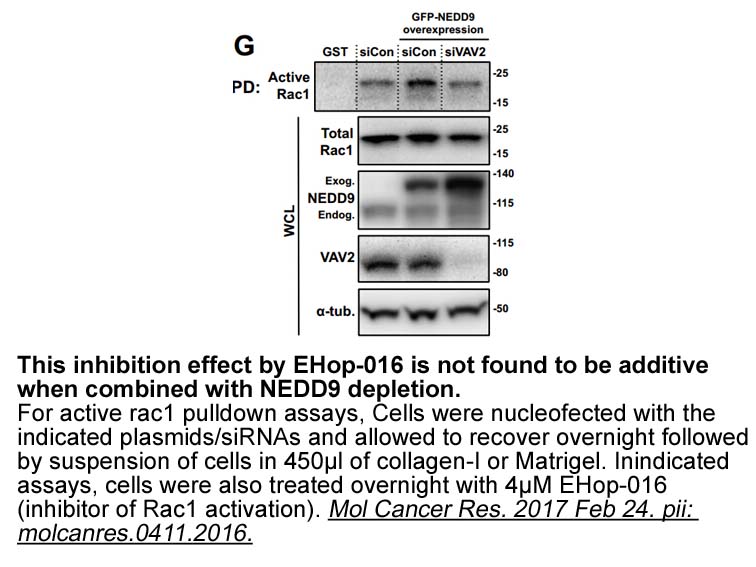
Conventional configurations for alkanolamine and KPT-185 gas are not suitable to represent the chemical reaction between acid gas and alkanolamines. Nevertheless, Dowell et al. [17] have successfully represented the phase behaviour of CO2-water-MEA systems by using SAFT-VR [18] without any consider
-
br Discussion The present study found
2020-07-01
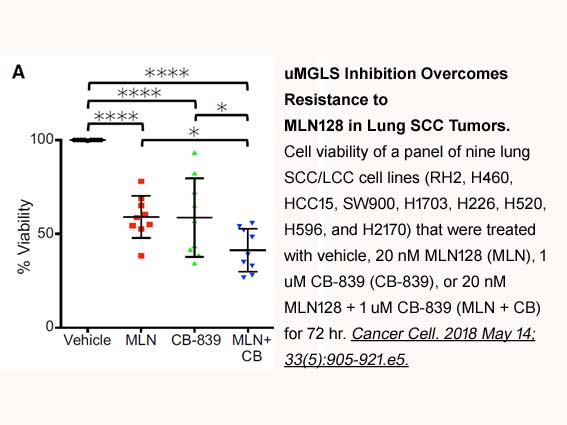
Discussion The present study found cholinesterase activity in Saccostrea sp. to vary significantly among three tissue types (digestive gland, gills, adductor muscle) and to respond differentially to four toxicants, three of which were non-organophosphates. Furthermore, a comparison of enzyme acti
-
br ILCs anticipate neuronal derived
2020-07-01
ILCs anticipate neuronal-derived factors Recent studies have revealed that ILCs express receptors for neural peptides, thus enabling cross-talk with the peripheral nervous system. ILC3s express RET (Figure 2), which is a receptor for members of the glial cell-derived neurotrophic factor family of
16022 records 808/1069 page Previous Next First page 上5页 806807808809810 下5页 Last page