Archives
- 2025-12
- 2025-11
- 2025-10
- 2025-09
- 2025-03
- 2025-02
- 2025-01
- 2024-12
- 2024-11
- 2024-10
- 2024-09
- 2024-08
- 2024-07
- 2024-06
- 2024-05
- 2024-04
- 2024-03
- 2024-02
- 2024-01
- 2023-12
- 2023-11
- 2023-10
- 2023-09
- 2023-08
- 2023-07
- 2023-06
- 2023-05
- 2023-04
- 2023-03
- 2023-02
- 2023-01
- 2022-12
- 2022-11
- 2022-10
- 2022-09
- 2022-08
- 2022-07
- 2022-06
- 2022-05
- 2022-04
- 2022-03
- 2022-02
- 2022-01
- 2021-12
- 2021-11
- 2021-10
- 2021-09
- 2021-08
- 2021-07
- 2021-06
- 2021-05
- 2021-04
- 2021-03
- 2021-02
- 2021-01
- 2020-12
- 2020-11
- 2020-10
- 2020-09
- 2020-08
- 2020-07
- 2020-06
- 2020-05
- 2020-04
- 2020-03
- 2020-02
- 2020-01
- 2019-12
- 2019-11
- 2019-10
- 2019-09
- 2019-08
- 2019-07
- 2019-06
- 2019-05
- 2019-04
- 2018-11
- 2018-10
- 2018-07
-
br Materials and methods br Results
2024-09-04
Materials and methods Results Bilateral microinjections (n = 6) of 10 mM ACh (300–500 pmol) and 5 mM physostigmine (150–250 pmol) at the two selected caudal NTS sites caused within 1 min significant increases in respiratory frequency (from 54.5 ± 1.7 to 70.9 ± 4.1 breaths/min; +30.8 ± 7.0%; P
-
Receptor tyrosine kinase Axl is a member
2024-09-04
Receptor tyrosine kinase Axl is a member of the TAM (Tyro3/Axl/Mer) family, and has reported been associated with a spectrum of human cancers [8]. Numerous studies have revealed that the oncogenic potential of Axl is attributed to the anti-apoptotic and proliferative signaling pathways triggered by
-
Docking studies were performed on the selected compounds to
2024-09-04
Docking studies were performed on the selected compounds to explore their binding patterns and to examine SAR in more detail. The co-crystal structure of ATX in complex with PF-8380 (PDB code: ) was selected for the docking studies due to structural similarity of the most potent compound with PF-83
-
Zhang et al screened three thousand compounds
2024-09-04
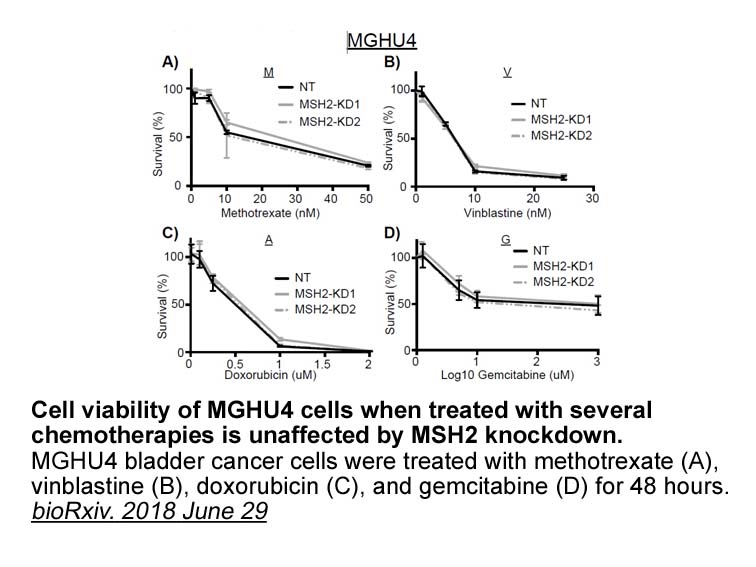
Zhang et al. screened three thousand compounds library and found two active 3,5,6-substituted indolin-2-one molecules. Further, they designed various derivatives of this scaffold and among them compound 23 from the series was found active with 1.8 μM on Aurora-B kinase luminescent assay [53]. Jeffe
-
br Animals Female Sprague Dawley
2024-09-04

Animals Female Sprague Dawley (SD) rats, aged 3 months with body weight between 180-210 g were housed in cages and acclimatized to standardized lab conditions (temperature 23 ± 2°C, humidity 50 ± 5% and 12 h light-dark cycles). The rats were fed with standard rodent food pellet (Harlan Diet, Ross
-
Biotin Hydrazide br Transparency document br Acknowledgments
2024-09-04
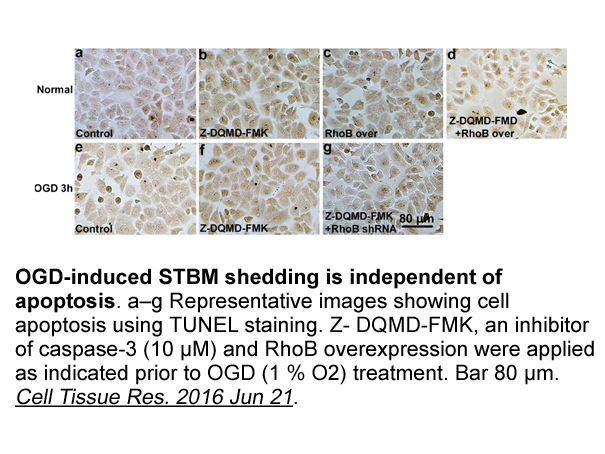
Transparency document Acknowledgments This work has been supported by the National Eye Institute (NIH) Grant 5R01EY023315-02 (MA). This study was also supported in part by National Center for Research Resources Grant S10RR027926 for the lipid analysis and by James and Jean Culver Vision Discov
-
This study evaluated the anti tumor influences of LA
2024-09-04
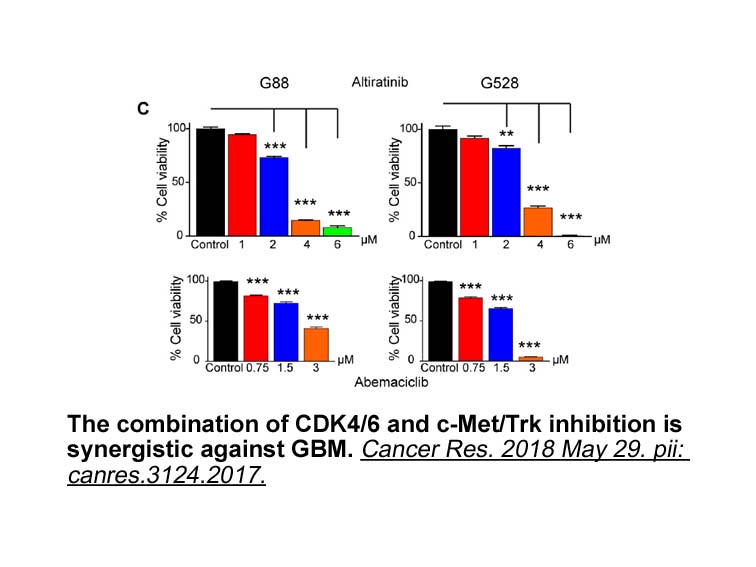
This study evaluated the anti-tumor influences of LA against HepG2 Terbinafine in vivro, and investigated the molecular mechanisms of inducing apoptosis. Overall, our studies suggested that LA is a promising anti-cancer drug and a possible novel therapeutic agent directed toward the mitochondrial-m
-
There are several AP binding sites in the
2024-09-04
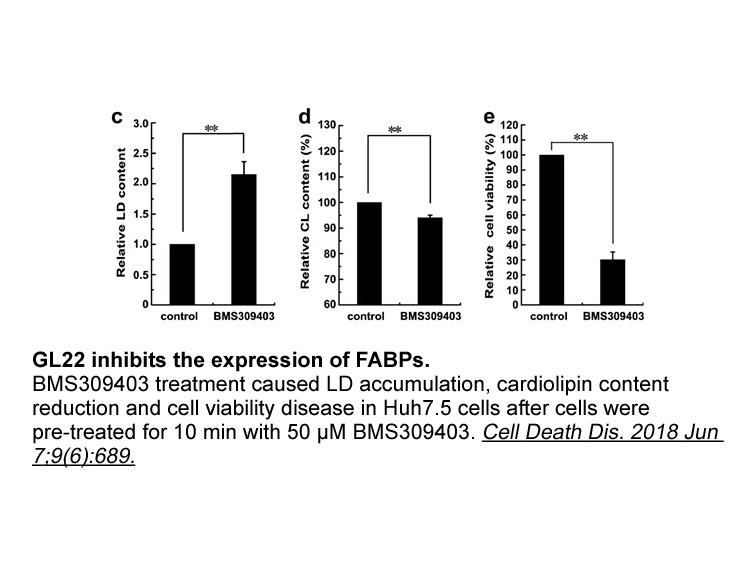
There are several AP-1 Mirin in the sequence of TIMP-1 promoter [18,19]. EBV could up-regulate TIMP-1 expression by binding to the AP-1 site in the TIMP-1 promoter [18]. IL-32, a newly multi-function cytokine, could activate AP-1, NF-κβ, p38MAPK signal pathways, and induce cytokine expressions, suc
-
The leaves of Bambusa nutans
2024-09-04
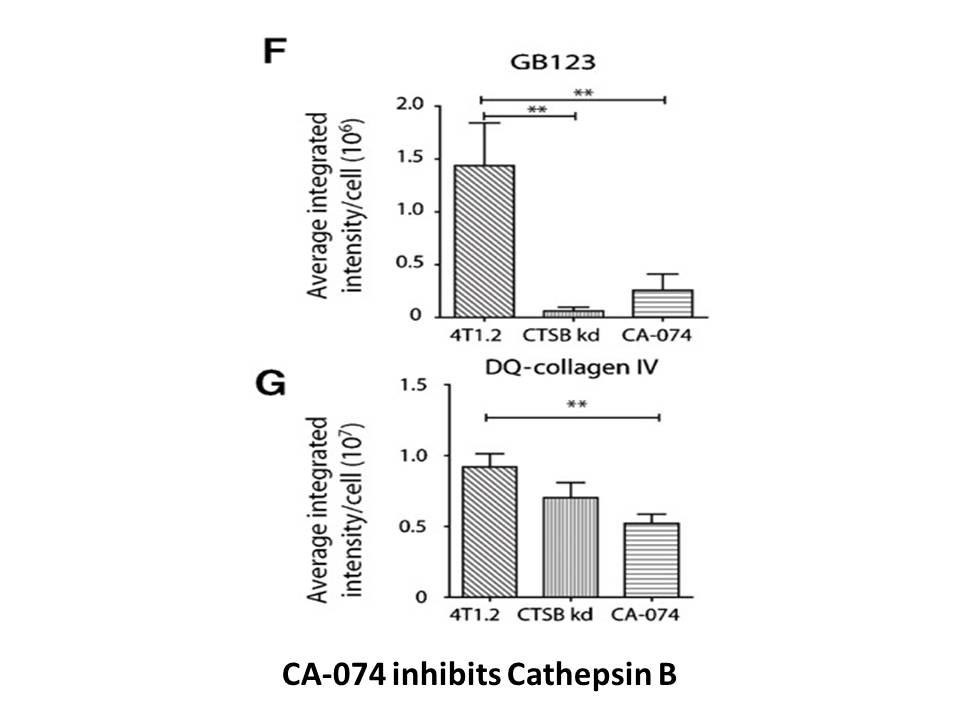
The leaves of Bambusa nutans, B. vulgaris, B. textilis McClure, B. vulgaris var. vittata, and Dendrocalamus oldhami are reported as promising natural alternatives to synthetic antioxidants as functional food ingredients (Tripathi et al., 2015). Luo et al. (2015), identified two novel flavonoids name
-
R428 br Acknowledgments br Introduction Angiotensin II AngII
2024-09-04
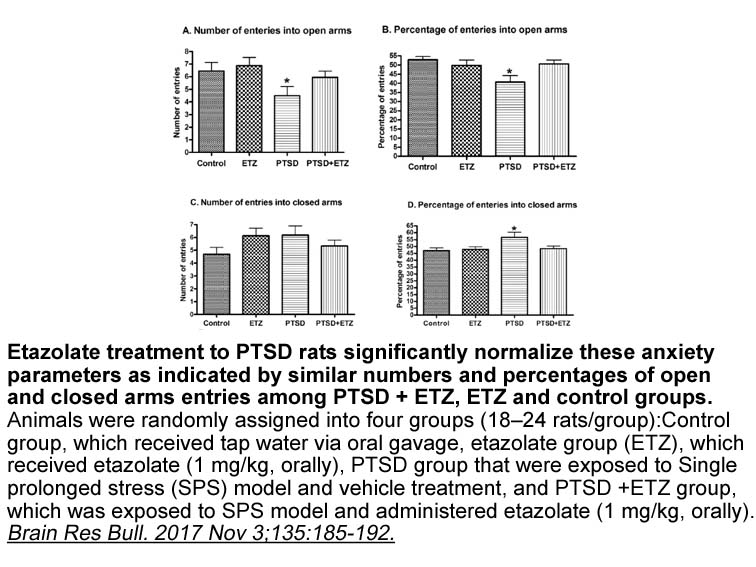
Acknowledgments Introduction Angiotensin II (AngII) is among the most potent vasoactive substances produced in humans. Its effects are numerous, from vasoconstriction to control of fluid and electrolytes balances. Many of the physiological and pathological effects of AngII are mediated by the
-
At the organismal level skeletal muscle
2024-09-03
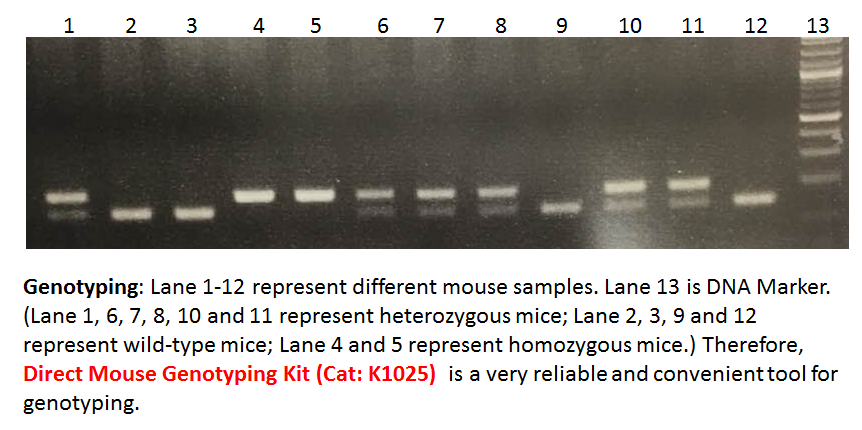
At the organismal level, skeletal muscle, lung and adipose tissues mediate net de novo synthesis and release of glutamine, whereas net glutamine catabolism occurs in the kidney [7]. The liver exhibits net glutamine consumption coupled to urea production in the post-absorptive state, and net glutamin
-
br Current therapies for metabolic diseases Inborn errors of
2024-09-03
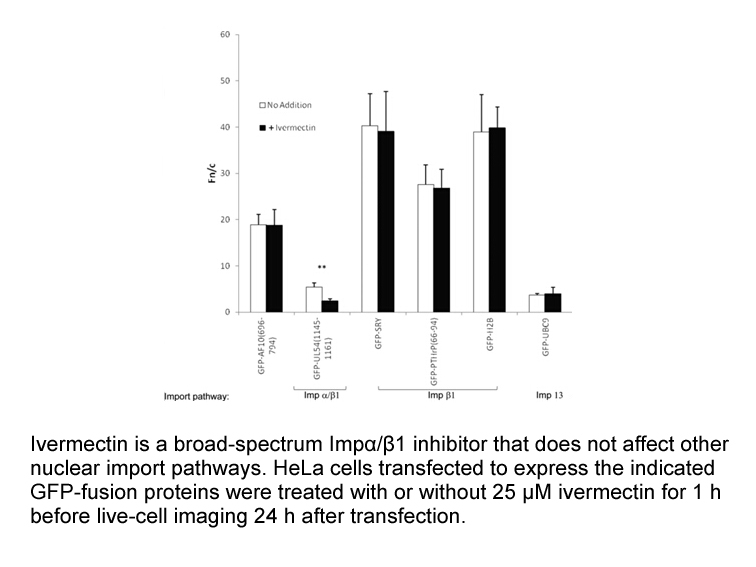
Current therapies for metabolic diseases Inborn errors of metabolism caused by deficiency of particular enzymes due to loss of function mutations or deletions have been treated by decreasing the intake of the enzymatic substrate, supplementation with an essential cofactor or vitamin, increasing m
-
br AHR mediates TCDD toxicity and wasting syndrome TCDD
2024-09-03
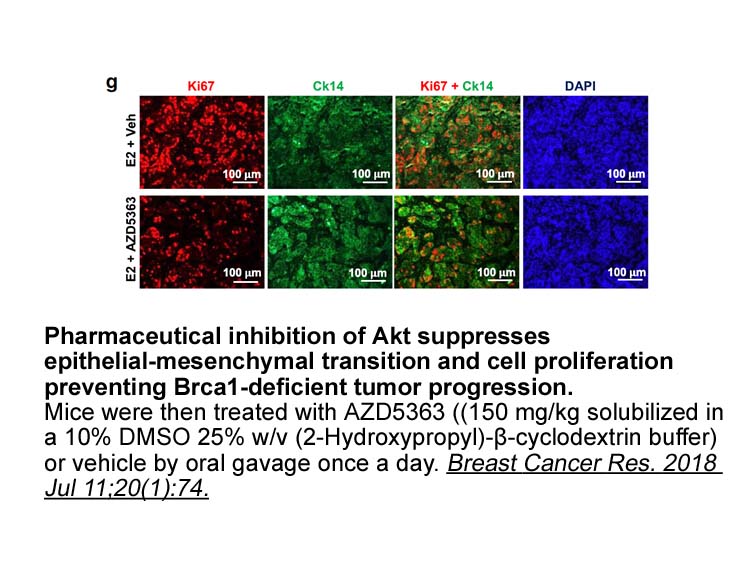
AHR mediates TCDD toxicity and wasting syndrome TCDD causes numerous toxicities in laboratory animals, including teratogenesis, hepatic steatosis, thymic atrophy, immune dysfunction and a lethal wasting syndrome [17]. The dose-dependent sensitivity to TCDD-induced toxicities varies widely among l
-
Sphingolipids such as ceramides and glucosylceramides are an
2024-09-03
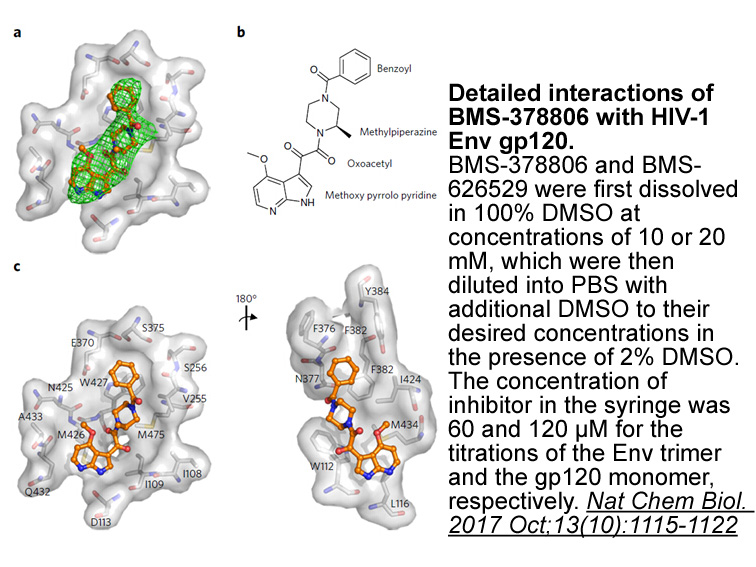
Sphingolipids, such as ceramides and glucosylceramides, are an important class of bioactive lipids. The levels of these lipids change as a function of adipose tissue mass and functionality, and are partially driven by cellular availability of palmitoyl-CoA. Aberrant accumulation of ceramide, glucosy
-
The activation of P Rs modulates the activity of
2024-09-03
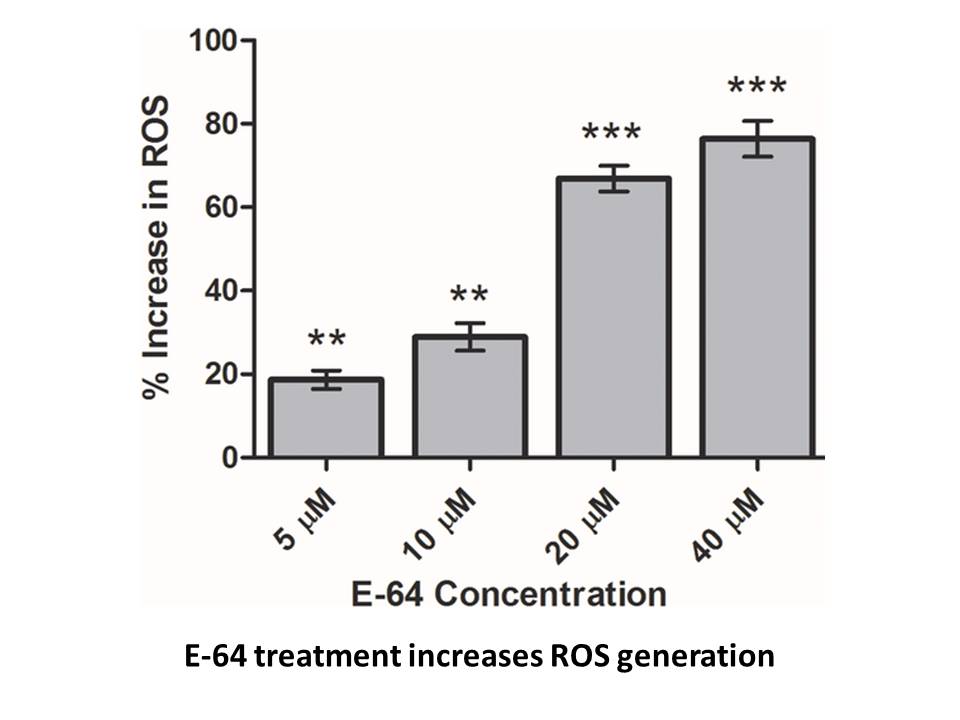
The activation of P1Rs modulates the activity of many ion channels and receptors (Sebastião and Ribeiro, 2009) and the recent detection of P1Rs at the postsynaptic level of the adult NMJ (Garcia et al., 2014) makes potentially possible an adenosine-mediated modulation of the nicotinic iso 1 receptor
16020 records 92/1068 page Previous Next First page 上5页 9192939495 下5页 Last page